PROJECTS
Feature Driving Growth. Upcoming Tokens in Best Wallet
Feature Driving Growth. Upcoming Tokens in Best Wallet
Feature Driving Growth. Upcoming Tokens in Best Wallet
Workflow
Introduction
Token List
Project Info Page
Usability Validation
TEAM
Mónica Ferraz
Bruno Alves
Nick Guidez
Joana Villas
TIME
2024/2025
PRODUCT
Metrics
Business
Best Wallet reached 350k+ users, with Upcoming Tokens as the primary growth driver
Token purchases increased by 50% over three months
Transaction volume and feature engagement grew by 25%
Support requests dropped by 30% following UX improvements
Users
92% of users found tokens easier to discover and buy
80% of users completed in-app token transactions without support intervention
Feature engagement time increased by 25%, with users spending more time on project pages
Trust improved measurably through clearer information and contextual notifications
Metrics
Business
Best Wallet reached 350k+ users, with Upcoming Tokens as the primary growth driver
Token purchases increased by 50% over three months
Transaction volume and feature engagement grew by 25%
Support requests dropped by 30% following UX improvements
Users
92% of users found tokens easier to discover and buy
80% of users completed in-app token transactions without support intervention
Feature engagement time increased by 25%, with users spending more time on project pages
Trust improved measurably through clearer information and contextual notifications
Metrics
Business
Best Wallet reached 350k+ users, with Upcoming Tokens as the primary growth driver
Token purchases increased by 50% over three months
Transaction volume and feature engagement grew by 25%
Support requests dropped by 30% following UX improvements
Users
92% of users found tokens easier to discover and buy
80% of users completed in-app token transactions without support intervention
Feature engagement time increased by 25%, with users spending more time on project pages
Trust improved measurably through clearer information and contextual notifications
Introduction
Upcoming Tokens is the section of Best Wallet where users discover, buy, track, and access exclusive early-stage crypto projects directly in-app. It became the feature most directly tied to the app's user growth.
I came into this feature after its initial launch. The structure was in place but post-launch feedback and support data were pointing to clear problems: users were missing opportunities in the token list, struggling to read project information, and losing confidence in the process. My work focused on two areas: the Token List and the Project Info Page.
Introduction
Upcoming Tokens is the section of Best Wallet where users discover, buy, track, and access exclusive early-stage crypto projects directly in-app. It became the feature most directly tied to the app's user growth.
I came into this feature after its initial launch. The structure was in place but post-launch feedback and support data were pointing to clear problems: users were missing opportunities in the token list, struggling to read project information, and losing confidence in the process. My work focused on two areas: the Token List and the Project Info Page.
Introduction
Upcoming Tokens is the section of Best Wallet where users discover, buy, track, and access exclusive early-stage crypto projects directly in-app. It became the feature most directly tied to the app's user growth.
I came into this feature after its initial launch. The structure was in place but post-launch feedback and support data were pointing to clear problems: users were missing opportunities in the token list, struggling to read project information, and losing confidence in the process. My work focused on two areas: the Token List and the Project Info Page.

Token List
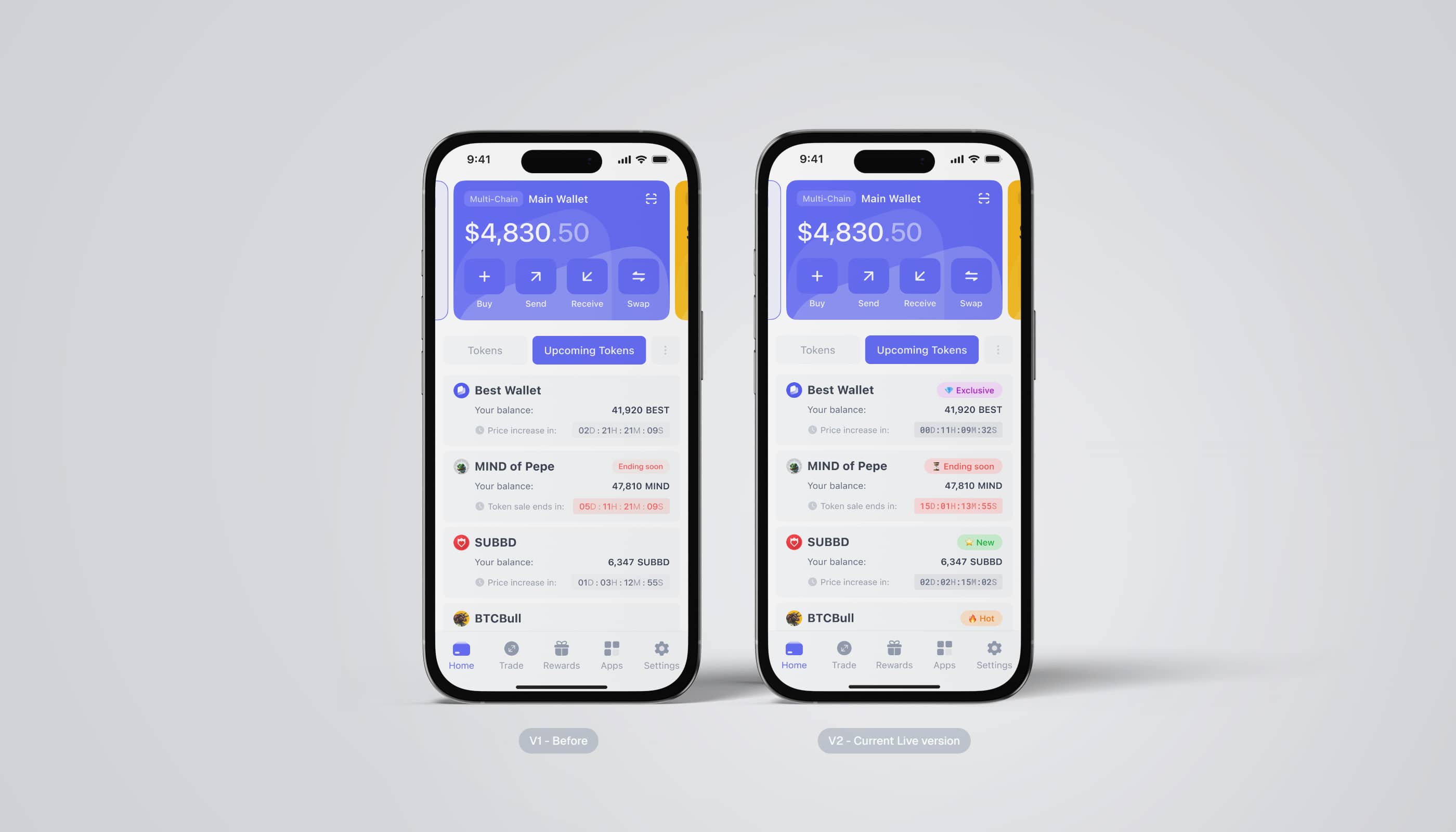
The problem was discoverability. The list in V1 was flat, every project had the same visual weight with no signals to help users understand status, demand, or urgency. Unless you were already tracking a specific project, there was no clear reason to act on one over another.
The layout itself could not change. That was a hard constraint on the development side, so the solution had to work within the existing structure.
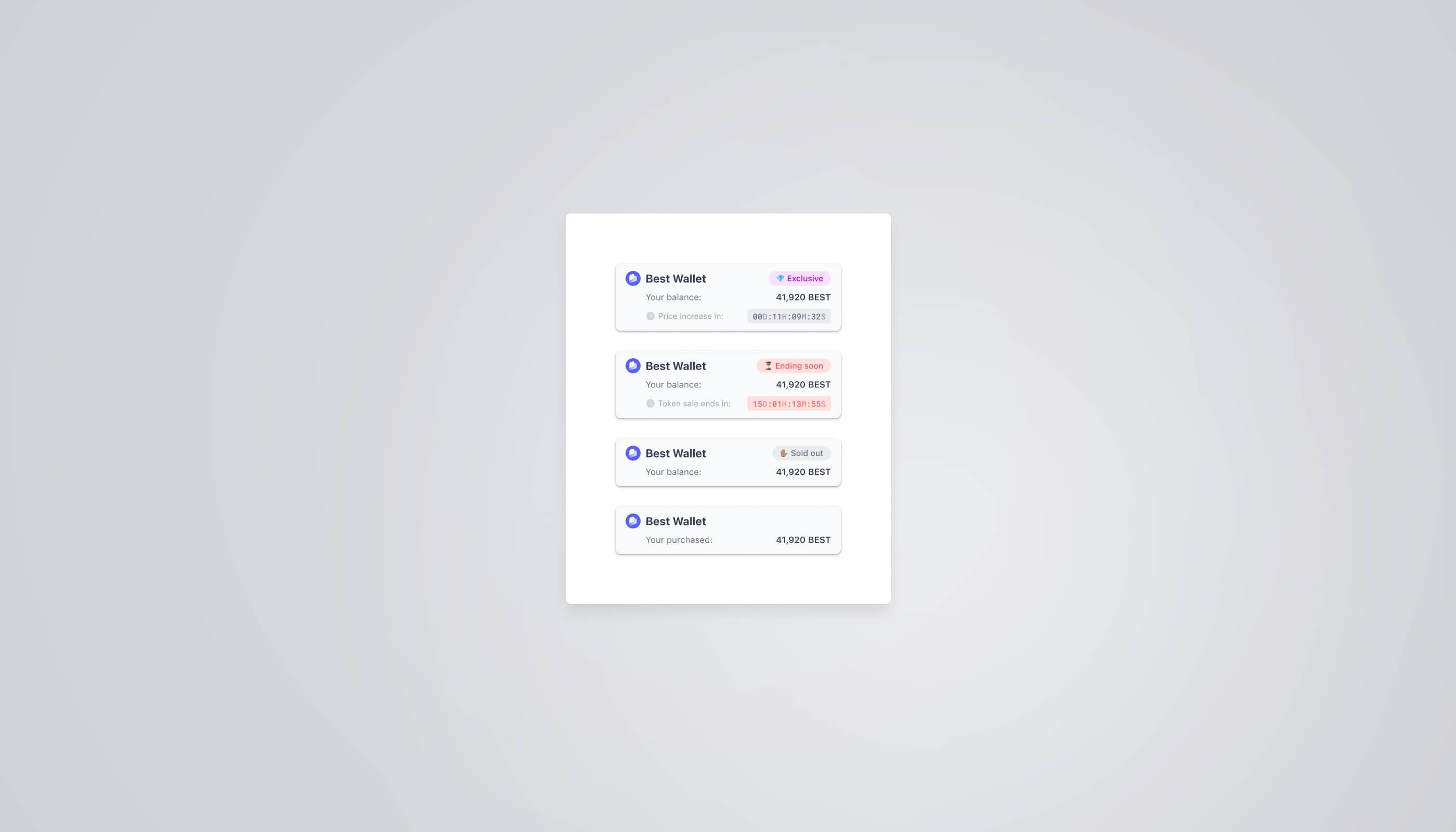
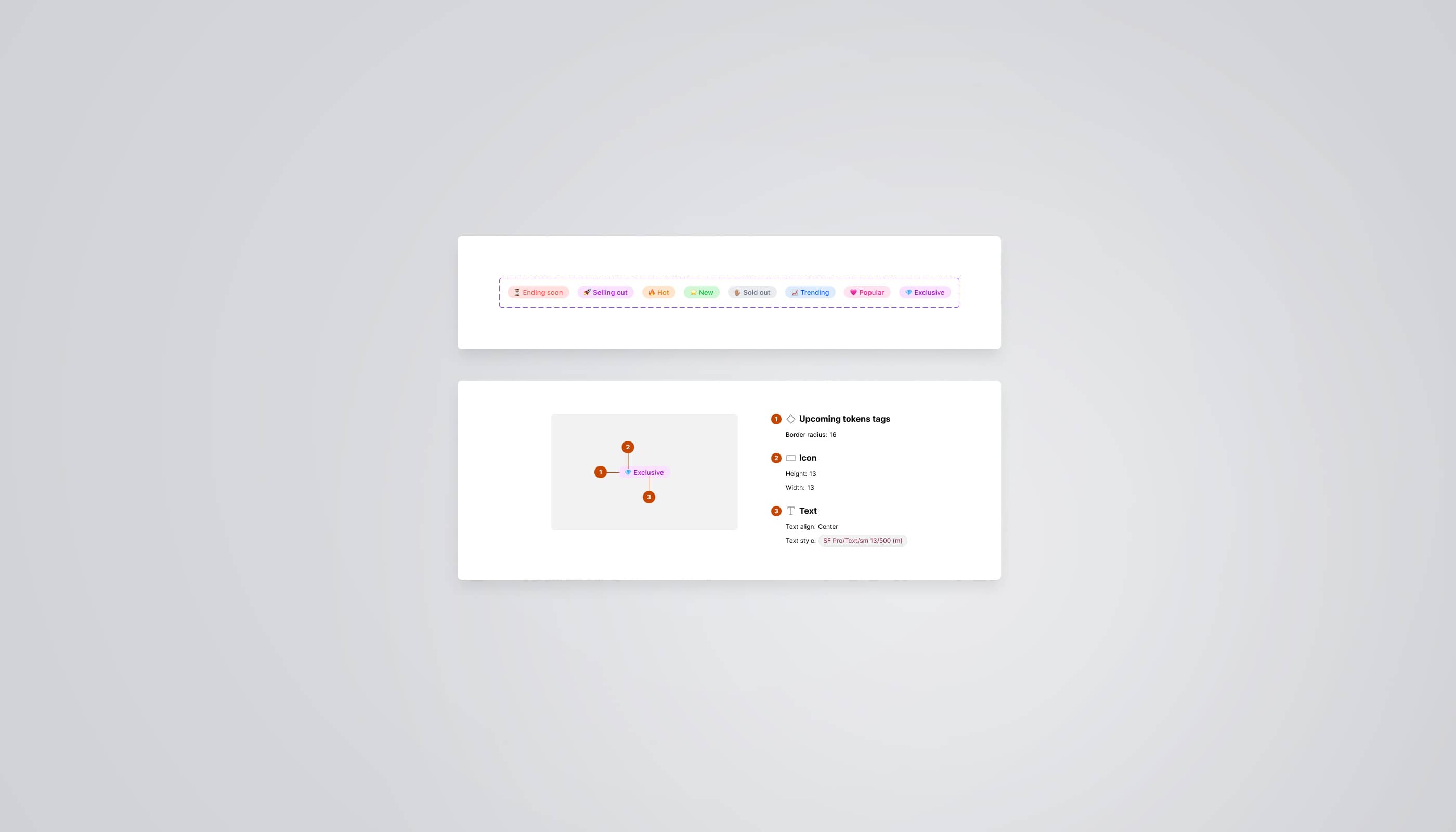
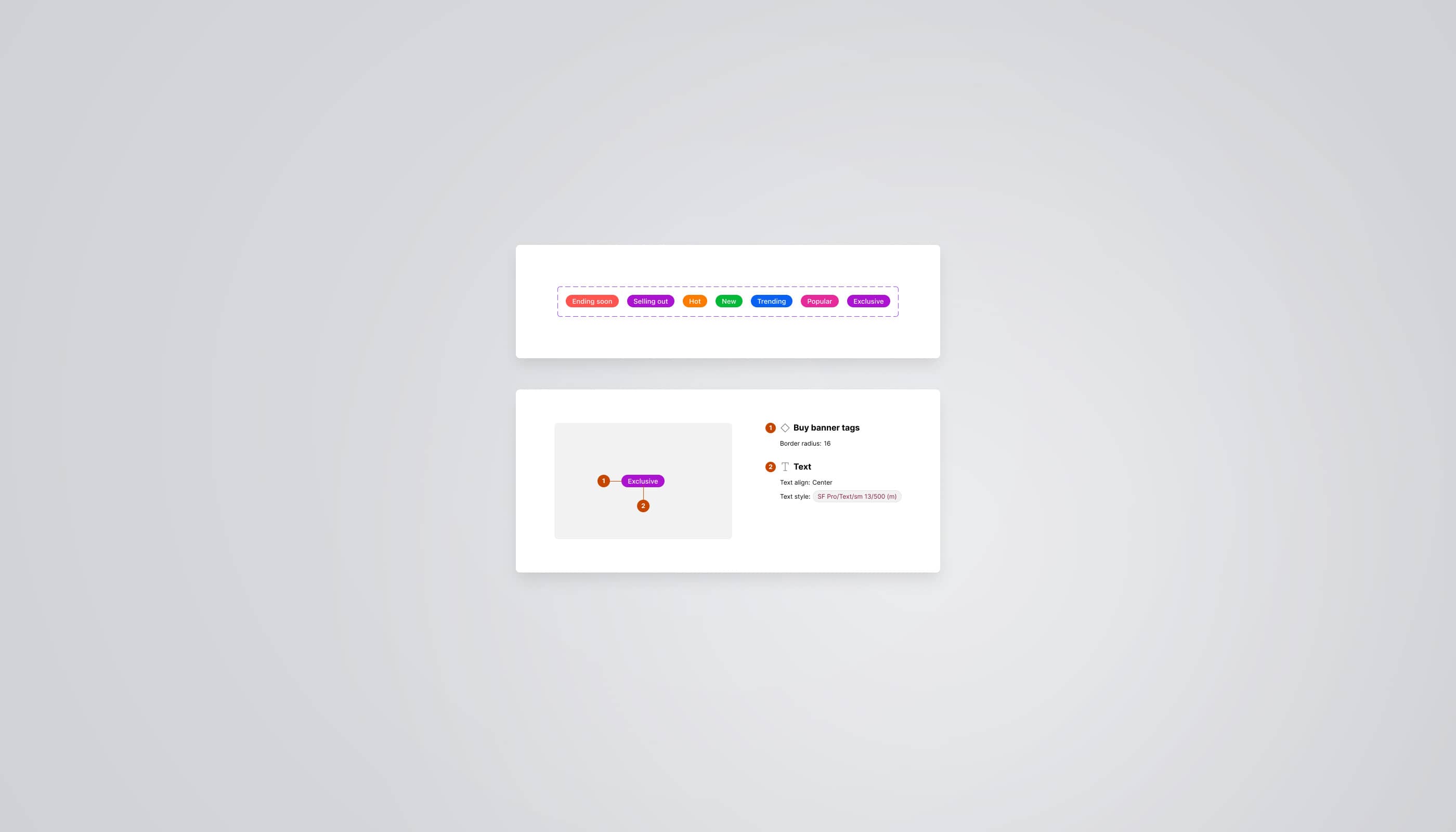
I introduced a tag system built around user decision-making. Each tag communicates a specific state: New for recently added projects, Exclusive for limited-access opportunities, Hot for high-demand tokens, Trending for tokens gaining traction, and Ending Soon for sales close to closing. The naming uses terminology users already recognise from other products, which removes any learning curve. Tags are colour-coded, making the list scannable at a glance without opening individual projects.
The result was a list users could orient themselves in quickly and act on without having to investigate every entry.
Token List
The problem was discoverability. The list in V1 was flat, every project had the same visual weight with no signals to help users understand status, demand, or urgency. Unless you were already tracking a specific project, there was no clear reason to act on one over another.
The layout itself could not change. That was a hard constraint on the development side, so the solution had to work within the existing structure.
I introduced a tag system built around user decision-making. Each tag communicates a specific state: New for recently added projects, Exclusive for limited-access opportunities, Hot for high-demand tokens, Trending for tokens gaining traction, and Ending Soon for sales close to closing. The naming uses terminology users already recognise from other products, which removes any learning curve. Tags are colour-coded, making the list scannable at a glance without opening individual projects.
The result was a list users could orient themselves in quickly and act on without having to investigate every entry.
Token List
The problem was discoverability. The list in V1 was flat, every project had the same visual weight with no signals to help users understand status, demand, or urgency. Unless you were already tracking a specific project, there was no clear reason to act on one over another.
The layout itself could not change. That was a hard constraint on the development side, so the solution had to work within the existing structure.
I introduced a tag system built around user decision-making. Each tag communicates a specific state: New for recently added projects, Exclusive for limited-access opportunities, Hot for high-demand tokens, Trending for tokens gaining traction, and Ending Soon for sales close to closing. The naming uses terminology users already recognise from other products, which removes any learning curve. Tags are colour-coded, making the list scannable at a glance without opening individual projects.
The result was a list users could orient themselves in quickly and act on without having to investigate every entry.
Project Info Page
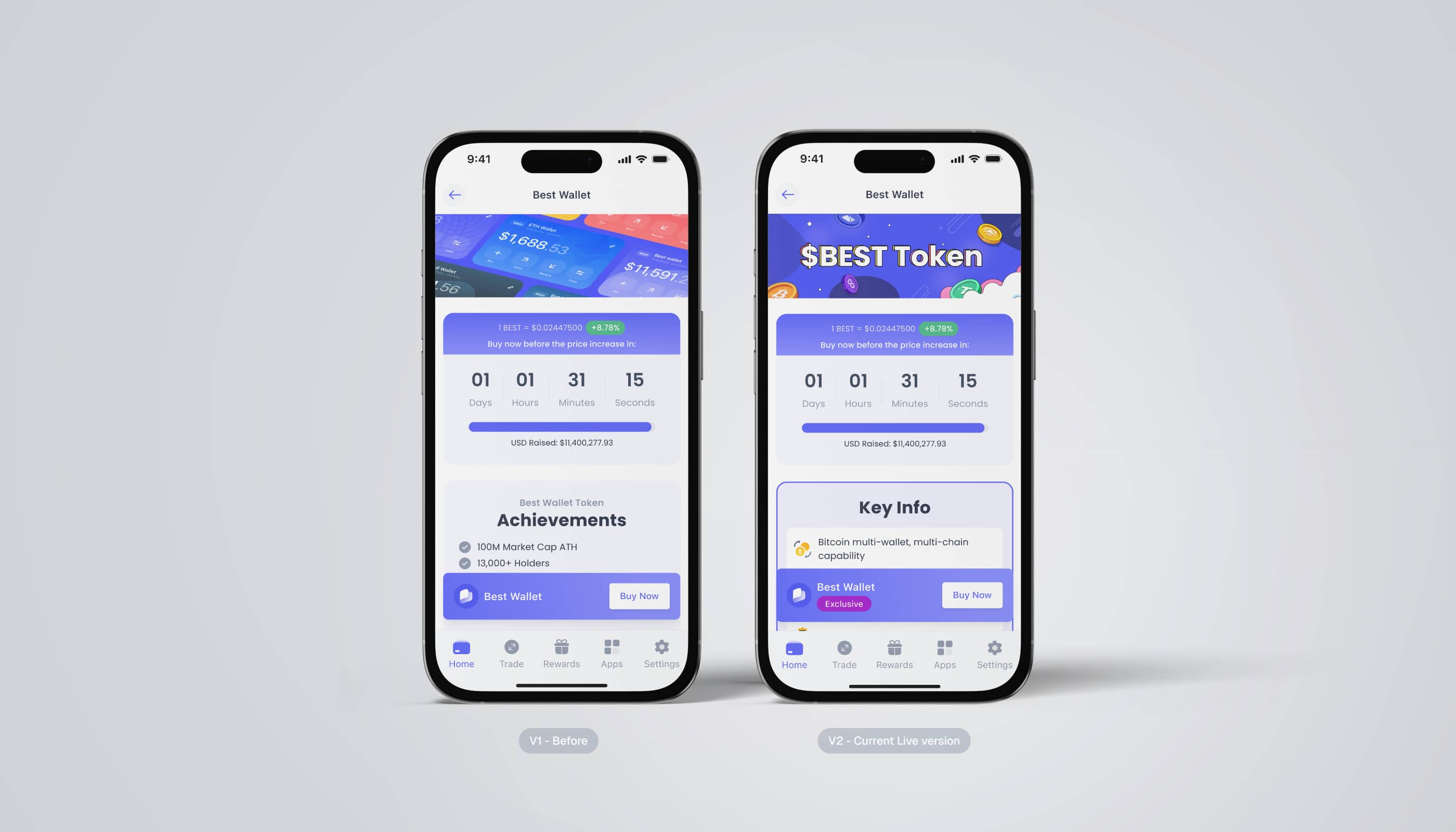
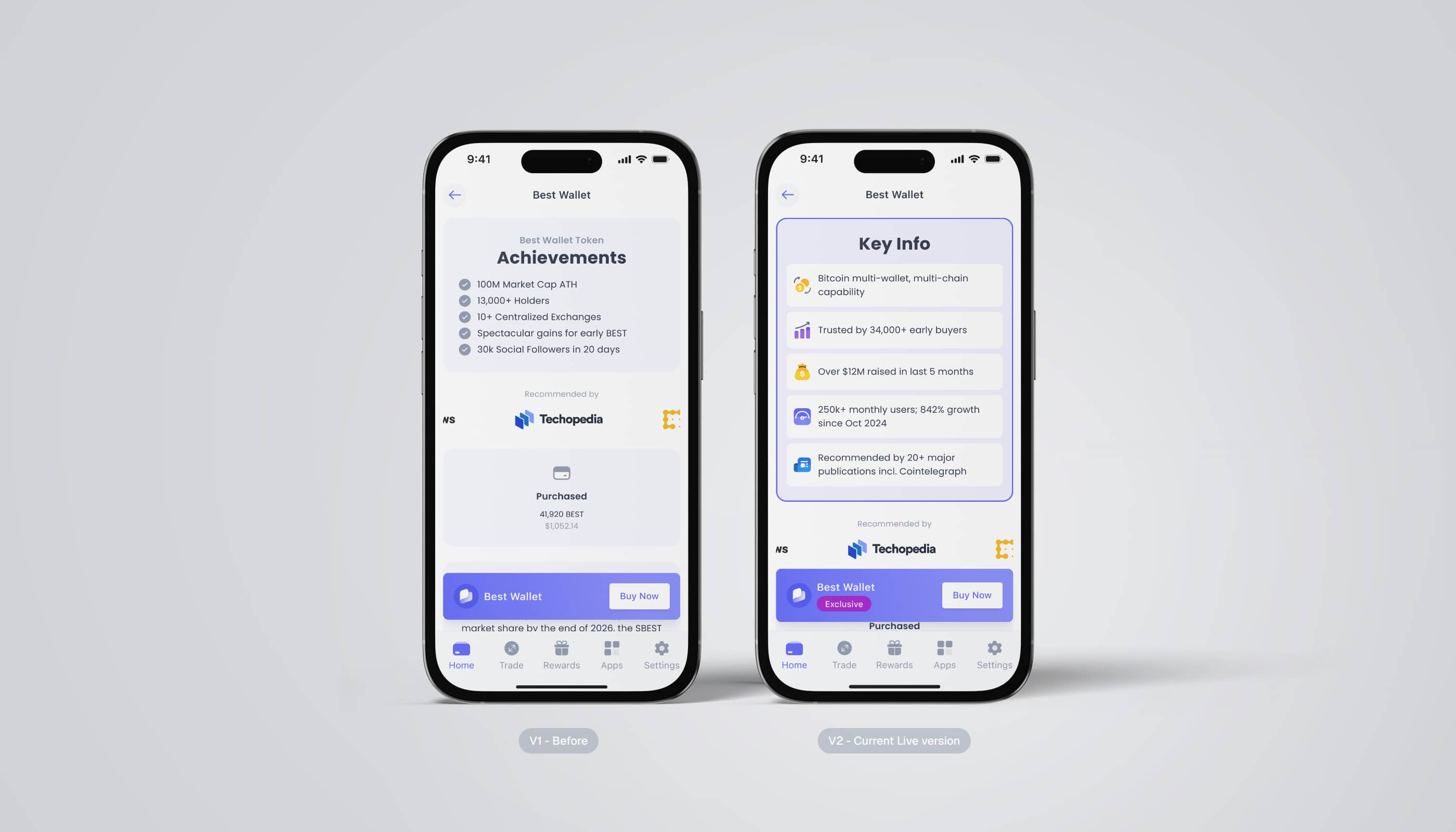
The problem here was trust and clarity. In V1 the top of the page used a generic screenshot with no visual connection to the token. The main section was labelled Achievements, which is not immediately legible to someone evaluating an unfamiliar project. Information was presented as a plain checklist with no icons, no separation between items, and no visual hierarchy. Content was vague, with claims that gave users nothing concrete to act on.
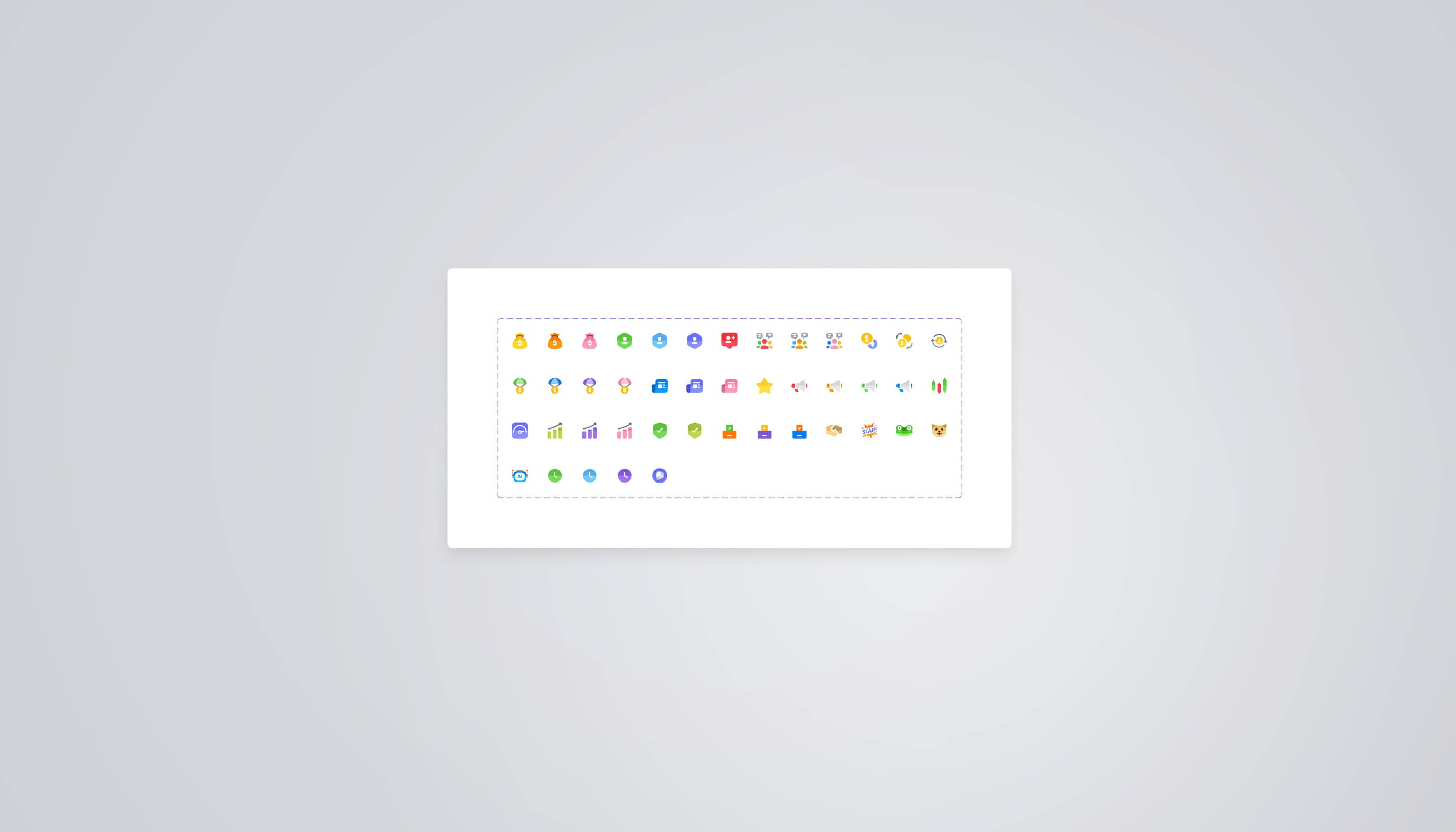
I redesigned the page from the structure down. Each token now has its own branded banner at the top, signalling immediately that this is a distinct project with its own identity. The section was renamed Key Info. Each data point sits in its own card with a dedicated icon, making the page scannable without requiring users to read every line. The content itself was sharpened: instead of vague claims, users now see concrete figures.
Project Info Page
The problem here was trust and clarity. In V1 the top of the page used a generic screenshot with no visual connection to the token. The main section was labelled Achievements, which is not immediately legible to someone evaluating an unfamiliar project. Information was presented as a plain checklist with no icons, no separation between items, and no visual hierarchy. Content was vague, with claims that gave users nothing concrete to act on.
I redesigned the page from the structure down. Each token now has its own branded banner at the top, signalling immediately that this is a distinct project with its own identity. The section was renamed Key Info. Each data point sits in its own card with a dedicated icon, making the page scannable without requiring users to read every line. The content itself was sharpened: instead of vague claims, users now see concrete figures.
Project Info Page
The problem here was trust and clarity. In V1 the top of the page used a generic screenshot with no visual connection to the token. The main section was labelled Achievements, which is not immediately legible to someone evaluating an unfamiliar project. Information was presented as a plain checklist with no icons, no separation between items, and no visual hierarchy. Content was vague, with claims that gave users nothing concrete to act on.
I redesigned the page from the structure down. Each token now has its own branded banner at the top, signalling immediately that this is a distinct project with its own identity. The section was renamed Key Info. Each data point sits in its own card with a dedicated icon, making the page scannable without requiring users to read every line. The content itself was sharpened: instead of vague claims, users now see concrete figures.
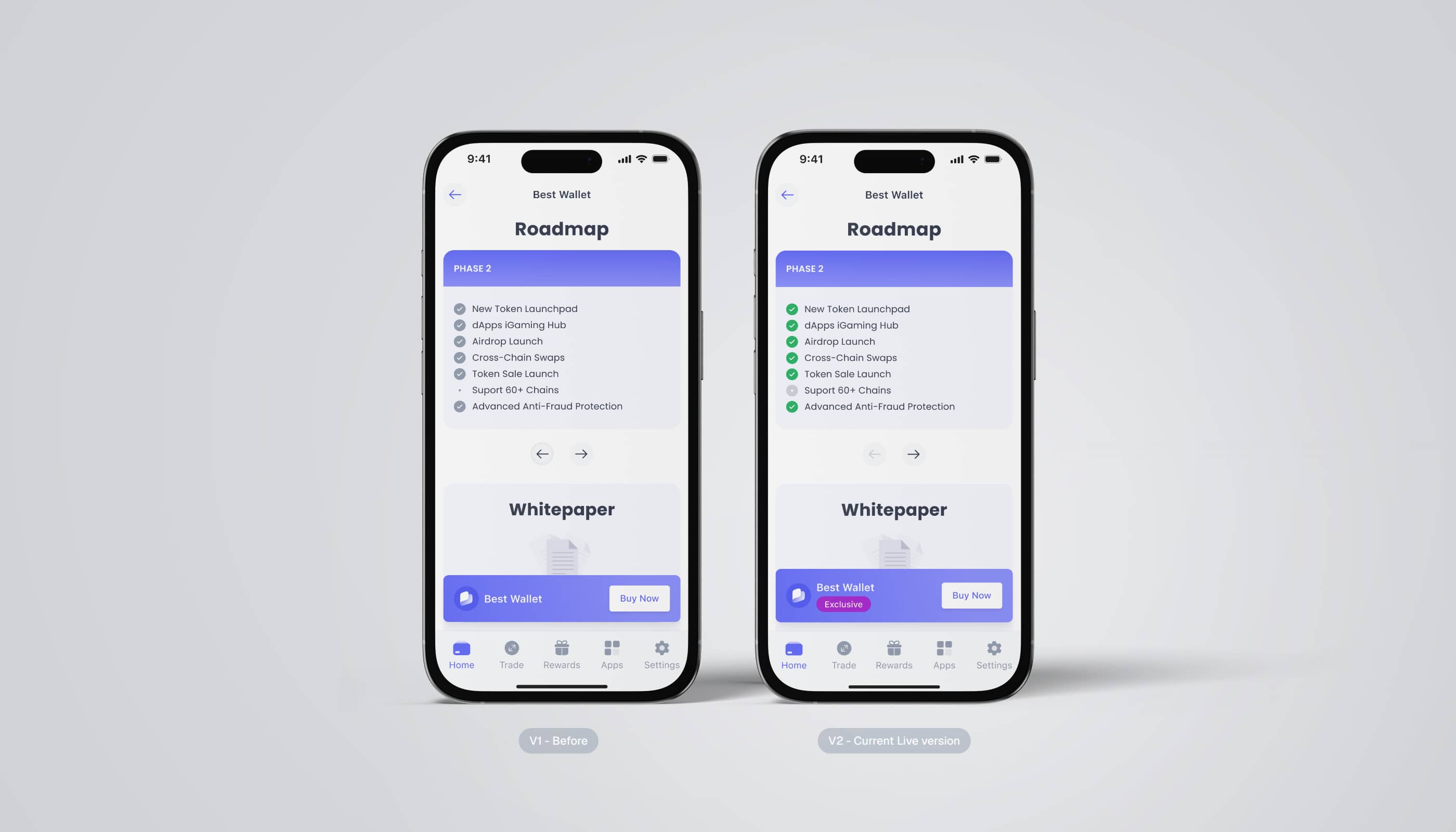
The Roadmap had the same problem. In V1 all items looked identical regardless of status. In V2 completed items have green checkmarks and pending items have a distinct grey treatment, so progress is readable at a glance.
One small addition to the floating Buy button: I carried the tag from the token list through to the project page. If you arrived from an Exclusive token, that context is still visible at the moment you decide to act. It closes a gap that existed in V1, where the signal that brought the user in disappeared before they reached the purchase moment.
The result was higher scroll depth and increased time spent on project pages, with users engaging more fully with the token information before acting.
The Roadmap had the same problem. In V1 all items looked identical regardless of status. In V2 completed items have green checkmarks and pending items have a distinct grey treatment, so progress is readable at a glance.
One small addition to the floating Buy button: I carried the tag from the token list through to the project page. If you arrived from an Exclusive token, that context is still visible at the moment you decide to act. It closes a gap that existed in V1, where the signal that brought the user in disappeared before they reached the purchase moment.
The result was higher scroll depth and increased time spent on project pages, with users engaging more fully with the token information before acting.
The Roadmap had the same problem. In V1 all items looked identical regardless of status. In V2 completed items have green checkmarks and pending items have a distinct grey treatment, so progress is readable at a glance.
One small addition to the floating Buy button: I carried the tag from the token list through to the project page. If you arrived from an Exclusive token, that context is still visible at the moment you decide to act. It closes a gap that existed in V1, where the signal that brought the user in disappeared before they reached the purchase moment.
The result was higher scroll depth and increased time spent on project pages, with users engaging more fully with the token information before acting.
Usability Validation
Improvements were tracked continuously through post-launch analytics and user feedback. Each iteration was informed by behaviour data, with changes prioritised based on where users were dropping off or raising questions. The metrics above reflect the cumulative impact of this approach across both areas of the feature.
This project is under NDA. The case study covers the areas I can share. I'm happy to go into more detail in a private conversation.
Usability Validation
Improvements were tracked continuously through post-launch analytics and user feedback. Each iteration was informed by behaviour data, with changes prioritised based on where users were dropping off or raising questions. The metrics above reflect the cumulative impact of this approach across both areas of the feature.
This project is under NDA. The case study covers the areas I can share. I'm happy to go into more detail in a private conversation.
Usability Validation
Improvements were tracked continuously through post-launch analytics and user feedback. Each iteration was informed by behaviour data, with changes prioritised based on where users were dropping off or raising questions. The metrics above reflect the cumulative impact of this approach across both areas of the feature.
This project is under NDA. The case study covers the areas I can share. I'm happy to go into more detail in a private conversation.
WORK
Case Studies
Six case studies across crypto wallets, design systems, brand identity, and web products. The work ranges from feature UX to full brand restructures, with a consistent focus on clarity, scalability, and detail.


WORK
Case Studies
Six case studies across crypto wallets, design systems, brand identity, and web products. The work ranges from feature UX to full brand restructures, with a consistent focus on clarity, scalability, and detail.
WORK
Case Studies
Six case studies across crypto wallets, design systems, brand identity, and web products. The work ranges from feature UX to full brand restructures, with a consistent focus on clarity, scalability, and detail.
Thanks
Thanks for taking the time to look at my work.
© 2026 All rights reserved.
Thanks
Thanks for taking the time to look at my work.
© 2025 All rights reserved.
Thanks
Thanks for taking the time to look at my work.
© 2026 All rights reserved.